Expert VA Disability Law Firm

VA Disability Rating Criteria

Not sure how the VA decides disability ratings for common service-connected conditions? This resource breaks down the rating criteria in plain language, explains what VA looks for at each level, and shows how different types of evidence—medical records, VA exams, lay statements, and work history—can strengthen a veteran’s claim. Click on each tab to view a detailed breakdown of the specific condition.

Asthma & Respiratory Conditions

When VA grants service connection for asthma or another respiratory conditions, it assigns a disability rating based on severity measured through pulmonary function testing, medication use, frequency of attacks, and overall impact on daily life. These ratings determine a veteran’s monthly compensation and additional benefits. Because asthma and respiratory disorders often fluctuate or worsen over time, it is essential that a veteran’s claim or appeal clearly documents the full extent of their symptoms.

Bottom Line Up Front:
  • VA rates asthma and most respiratory conditions under 38 C.F.R. § 4.97 (Diagnostic Code 6602) using pulmonary function tests (PFTs), medication use, frequency of exacerbations, and hospitalizations. Ratings commonly fall at 10, 30, 60, or 100 percent, depending on severity.
  • A veteran’s C&P exam, pulmonary testing, treatment notes, and lay statements are all critical forms of evidence when seeking higher ratings for asthma or related disorders.
  • Veterans with severe respiratory conditions may qualify for additional benefits, including Total Disability Based on Individual Unemployability (TDIU) or Special Monthly Compensation (SMC).
How Does VA Assign Ratings for Asthma and Respiratory Disorders?

VA evaluates respiratory disabilities using a combination of objective medical testing and documented symptoms. The most common evidence sources include:

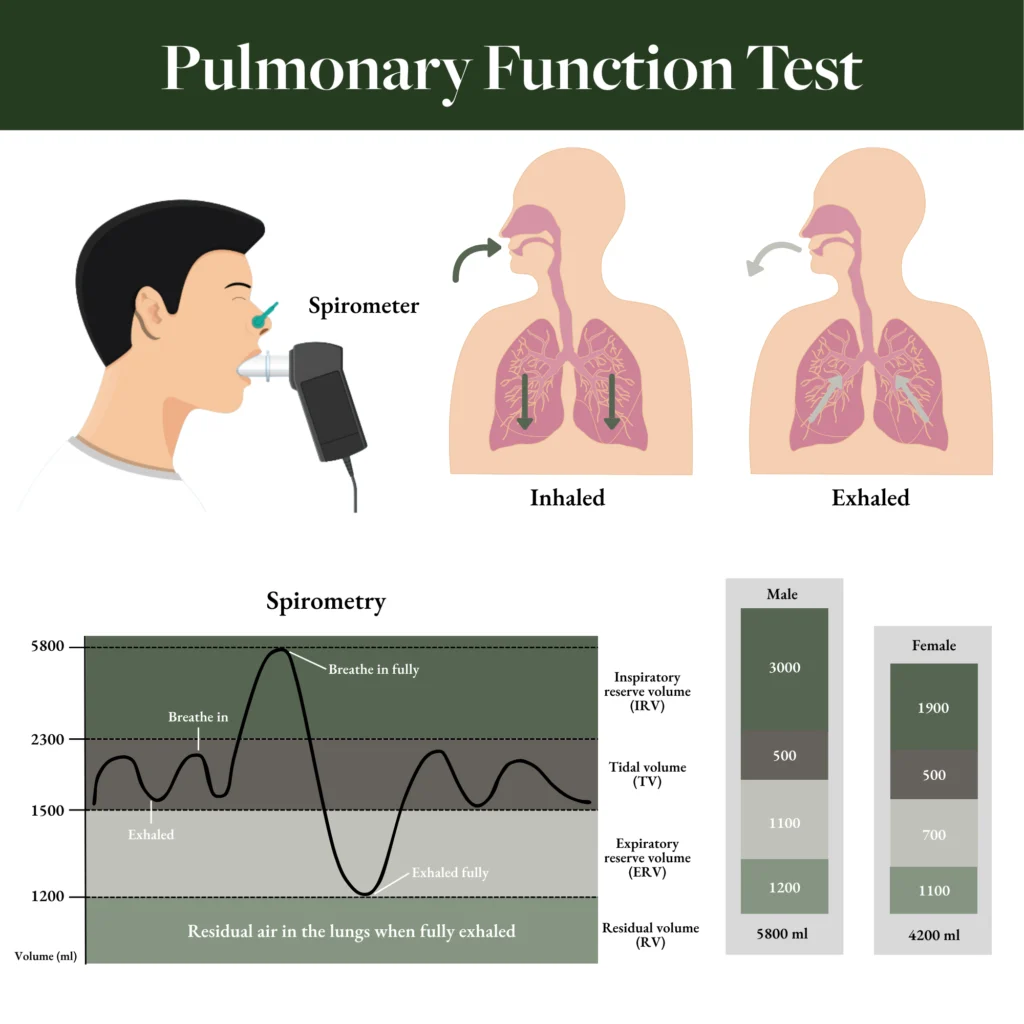
For asthma, chronic bronchitis, COPD, and restrictive lung disorders, the C&P examiner often conducts or references:

  • FEV-1 (Forced Expiratory Volume in one second)
  • FEV-1/FVC ratio
  • DLCO (Diffusion Capacity)
  • Use and frequency of systemic corticosteroids
  • Frequency of asthma attacks requiring physician visits
  • Missed work, ER visits, or hospitalizations

PFT results are central to respiratory ratings, but they are not the only factor. VA must consider additional symptoms such as:

  • Dyspnea (difficulty breathing)
  • Wheezing
  • Chronic cough
  • Use of inhalers or nebulizers
  • Frequency of exacerbations requiring medical intervention

VA examiners complete a Respiratory Conditions Disability Benefits Questionnaire (DBQ) to standardize the evaluation.

Lay statements can be extremely useful in respiratory claims. Veterans and witnesses can describe:

  • How often asthma attacks occur

  • Whether symptoms limit exertion, exercise, or work

  • Frequency of nighttime symptoms

  • The impact of environmental triggers (cold air, allergens, smoke)

  • The veteran’s need to stop activities due to shortness of breath

Asthma symptoms fluctuate, and PFT results taken on a “good day” do not necessarily reflect a veteran’s usual functioning. Lay testimony helps bridge that gap.

Pulmonologists or allergy specialists frequently have longitudinal records that VA examiners do not. These may include:

  • Long-term inhaled or systemic corticosteroid use

  • Hospitalizations for asthma attacks

  • Serial PFTs demonstrating worsening

  • Bronchitis or pneumonia flare-ups

  • Sleep disturbance due to nighttime wheezing

Providing complete private records can make or break an asthma or respiratory claim. Veterans may also obtain private nexus opinions to link asthma or secondary respiratory issues (e.g., chronic sinusitis, allergies, sleep apnea) to service.

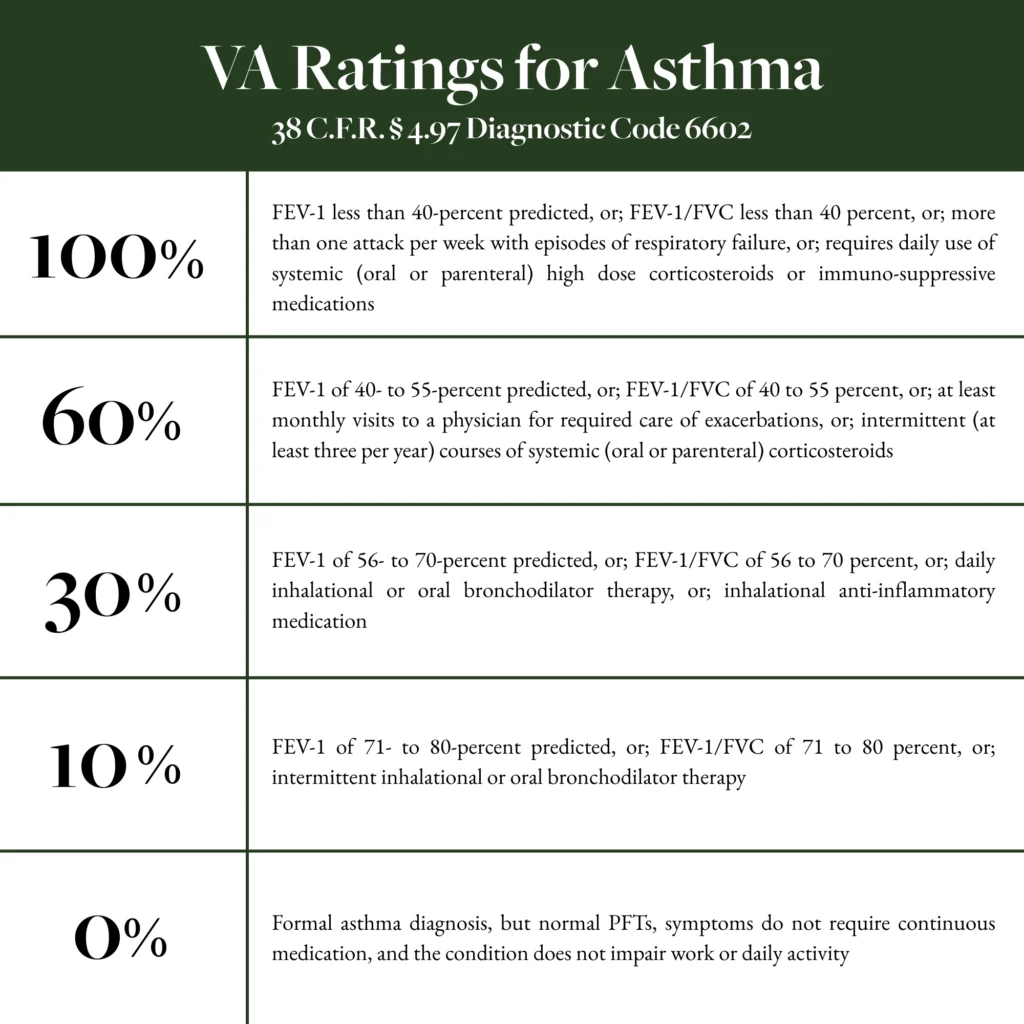
How VA Rates Asthma & Related Respiratory Conditions (38 C.F.R. § 4.97)

VA uses diagnostic code 6602 for asthma, but related conditions such as chronic bronchitis, COPD, interstitial lung disease, and restrictive lung disorders have similar rating principles.

A 100 percent rating reflects pronounced respiratory impairment, often including:

  • FEV-1 less than 40% predicted

  • FEV-1/FVC less than 40%

  • More than one asthma attack per week with respiratory failure

  • Near-constant inhalation or oral bronchodilator therapy

  • Frequent systemic corticosteroid courses

  • Episodes requiring hospitalization

A veteran at 100 percent typically cannot sustain physical exertion and may struggle with daily tasks due to severe breathing limitations.

A 60 percent rating is warranted when the veteran has:

  • FEV-1 of 40–55% predicted

  • FEV-1/FVC of 40–55%

  • At least three systemic corticosteroid courses per year

  • Frequent medical intervention for exacerbation

This level generally reflects moderate-to-severe impairment with significant restrictions on work activity.

A 30 percent disability rating is assigned for:

  • FEV-1 of 56–70% predicted

  • FEV-1/FVC of 56–70%

  • Daily inhalational or bronchodilator therapy

  • Inhaled anti-inflammatory medication (e.g., corticosteroid inhalers)

** Most veterans with persistent asthma fall within this category

A 10 percent rating typically reflects intermittent or mild asthma, including:

  • FEV-1 of 71–80% predicted

  • FEV-1/FVC of 71–80%

  • Intermittent inhalational bronchodilator therapy

Symptoms may flare with exercise or environmental triggers but do not consistently interfere with occupational or social functioning.

A Ø percent rating is assigned when asthma is formally diagnosed but:

  • PFTs are normal

  • Symptoms do not require continuous medication

  • The condition does not impair work or daily activity

Even with a Ø percent rating, service connection is valuable because:

  • The veteran can file for an increase if symptoms worsen

  • VA healthcare access and priority status may improve

Additional Factors Affecting Respiratory Ratings

Asthma and related lung conditions can severely impair a veteran’s ability to work, especially in jobs requiring:

  • Physical labor

  • Exposure to fumes, dust, cold air, or chemicals

  • High levels of exertion

Veterans rated at 60 percent for a single condition (or 70 percent combined) may be eligible for Total Disability Based on Individual Unemployability (TDIU), providing compensation at the 100 percent rate.

Respiratory disorders rarely qualify for SMC directly unless they:

  • Result in housebound status

  • Cause significant secondary complications

However, severe asthma combined with other service-connected disabilities may create eligibility.

How to Appeal or Increase a VA Respiratory Rating

Veterans may want to appeal or request an increase if:

  • VA denied service connection

  • VA underrated their asthma

  • PFT results worsened over time

  • They developed a secondary condition (e.g., sinusitis, allergies, GERD, sleep apnea)

  • They believe VA overlooked medication use or steroid courses

Appeals can be filed through:

  • Higher-Level Review

  • Supplemental Claim with new and relevant evidence

  • Board Appeal

Because respiratory ratings rely heavily on technical medical data, many veterans benefit from professional representation during appeals.

Denied or Underrated for VA Asthma or Respiratory Disability? Call Greene & Marusak LLC

Respiratory claims are complex and often require detailed medical evidence, expert opinions, and strategic argument. If VA denied or underrated your asthma or respiratory condition, Greene & Marusak LLC can help.

Contact us for a free case evaluation today to speak with an experienced VA-accredited claims agent or attorney.

Back Conditions & Radiculopathy

When VA grants service connection for a back condition (such as a lumbar or cervical spine disability), it assigns a disability rating based on range of motion, functional loss, and the presence of associated symptoms, including neurological impairments like radiculopathy. These ratings determine a veteran’s monthly compensation and eligibility for additional benefits. Because spine conditions frequently cause nerve involvement affecting the extremities, VA is required to consider and separately evaluate associated neurological abnormalities as part of the claim.

Bottom Line Up Front:
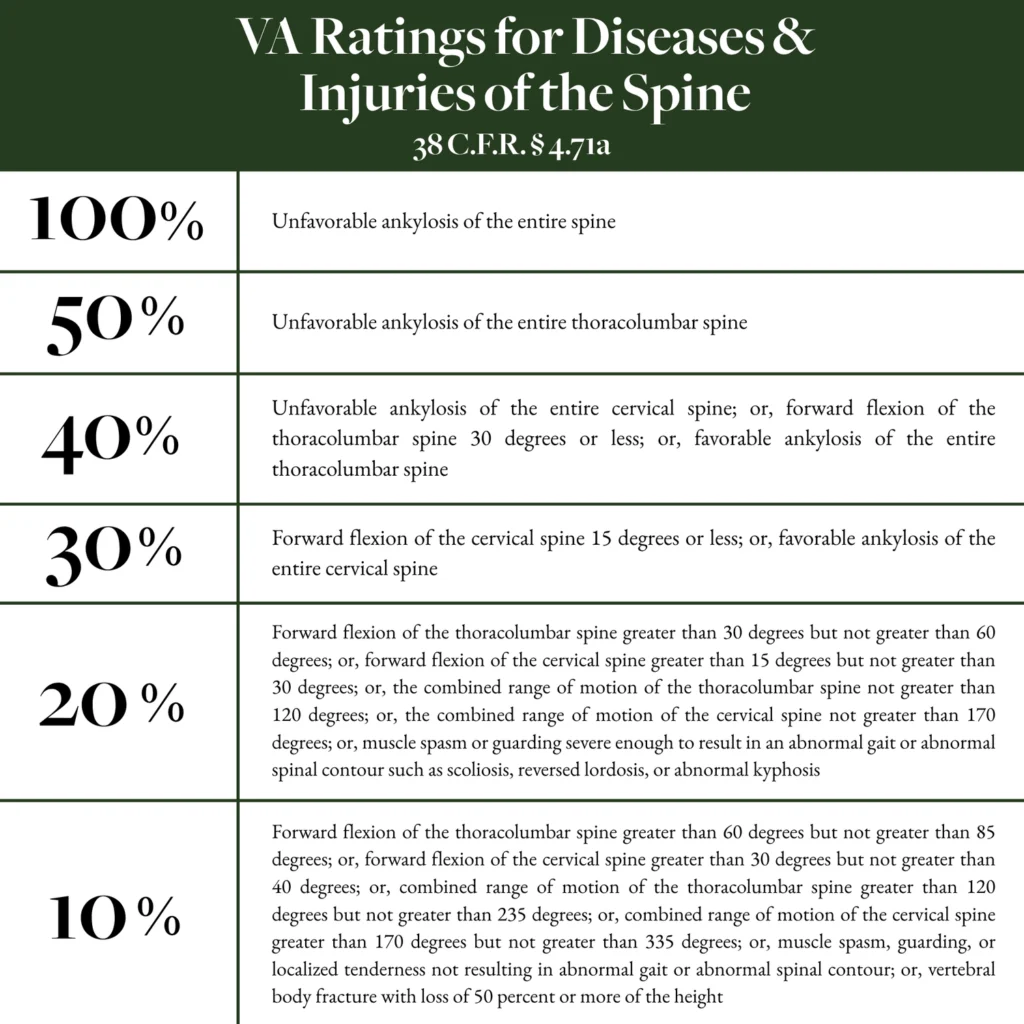
  • VA rates spine conditions under 38 C.F.R. § 4.71a using the General Rating Formula for Diseases and Injuries of the Spine, based primarily on range of motion and functional loss.

  • VA must consider pain, flare-ups, and functional limitations when assigning a rating.

  • “Functional Loss” refers to limitations in motion due to weakness, fatigue, incoordination, and/or pain during movement.

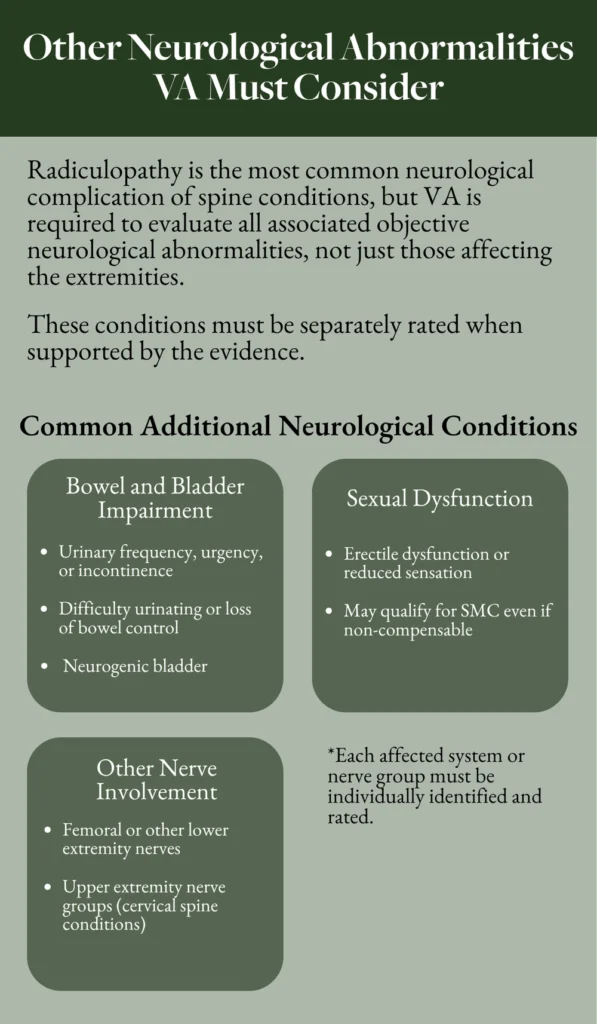
  • Radiculopathy and other neurological abnormalities must be separately rated when present, under the appropriate nerve diagnostic codes.

  • Failure to assign or properly evaluate radiculopathy is one of the most common VA errors in spine claims.

  • Veterans with severe spine conditions and radiculopathy may qualify for Total Disability Based on Individual Unemployability (TDIU) or Special Monthly Compensation (SMC).

How Does VA Assign Ratings for Back Conditions?

VA evaluates spine conditions based on measurable limitation of motion, but also must consider how pain and functional loss affect real-world movement and ability to work.

The most common evidence sources include:

VA examiners evaluate:

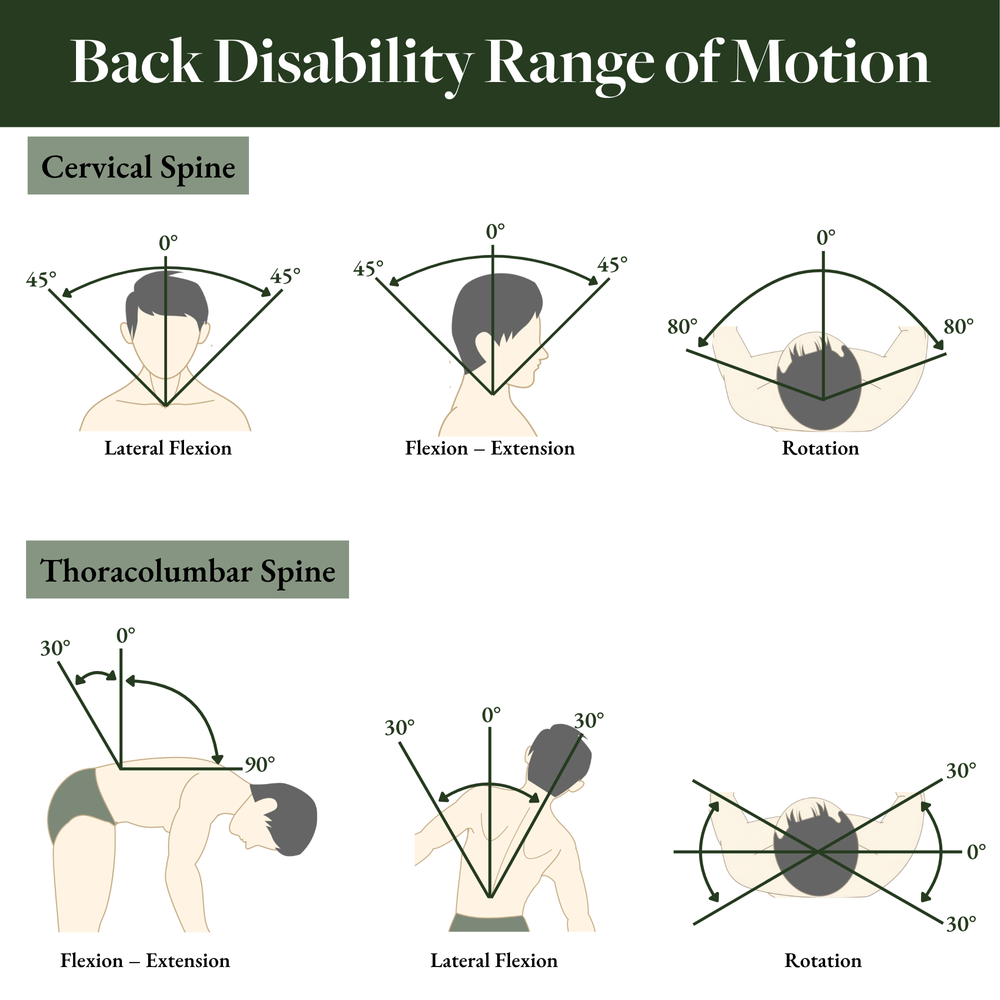
  • Forward flexion, extension, and combined range of motion

  • Whether pain begins before the end of measured motion

  • Functional loss during repetitive use and flare-ups

  • Muscle spasms or guarding affecting gait or spinal contour

  • Presence of ankylosis (fixation of the spine)

  • Signs of intervertebral disc syndrome (IVDS) and incapacitating episodes

  • Evidence of radiculopathy or nerve involvement

VA examiners complete a Back (Thoracolumbar or Cervical Spine) Disability Benefits Questionnaire (DBQ) to document these factors.

Lay statements are critical in spine claims, particularly for flare-ups and functional loss. Veterans may describe:

  • Pain with bending, lifting, sitting, or standing

  • Flare-ups that significantly limit movement or activity

  • Difficulty walking, standing for long periods, or performing physical tasks

  • Radiating pain, numbness, or tingling into the arms or legs

  • Impact on work, including missed time or modified duties

VA must consider functional loss beyond what is shown on a single exam.

Orthopedic specialists, neurologists, and treating physicians may document:

  • MRI or imaging showing disc herniation or nerve compression

  • Diagnosis of radiculopathy affecting specific nerve roots

  • Reduced strength, reflex changes, or sensory deficits

  • Prescribed physical therapy, injections, or surgical intervention

  • Medical opinions linking nerve symptoms to the spine condition

Private records often capture neurological involvement VA exams underreport.

How VA Rates Spine Conditions (38 C.F.R. § 4.71a)

A 100 percent rating is warranted when there is:

  • Unfavorable ankylosis of the entire spine

This reflects complete immobility of the spine in a fixed, non-functional position.

A 50 percent rating is assigned for:

  • Unfavorable ankylosis of the entire thoracolumbar spine


A 40 percent rating is warranted when:

  • Forward flexion of the thoracolumbar spine is 30 degrees or less, OR

  • Favorable ankylosis of the entire thoracolumbar spine

This is a common maximum rating based on limitation of motion alone.

A 20 percent rating applies when:

  • Forward flexion is greater than 30 degrees but not greater than 60 degrees, OR

  • Combined range of motion is 120 degrees or less, OR

  • Muscle spasm or guarding results in abnormal gait or spinal contour

A 10 percent rating is assigned when:

  • There is limited motion, but not to a compensable degree under higher criteria, OR

  • Painful motion is present

Alternative Rating: Intervertebral Disc Syndrome (IVDS)

VA may alternatively rate spine conditions based on incapacitating episodes under IVDS:

  • 60% – Incapacitating episodes totaling at least 6 weeks in the past 12 months

  • 40% – At least 4 weeks

  • 20% – At least 2 weeks

  • 10% – At least 1 week


Important: An “incapacitating episode” requires physician-prescribed bed rest, which is rarely documented. As a result, this method is often less favorable.

Separately Ratable Neurological Conditions

VA is required to evaluate and assign separate ratings for neurological abnormalities associated with spine conditions, including radiculopathy. The most common type is radiculopathy.

Radiculopathy occurs when spinal nerve roots are compressed or irritated, causing symptoms that radiate into the extremities.

Common symptoms include:

  • Radiating pain down the arms or legs

  • Numbness or tingling

  • Muscle weakness

  • Reduced reflexes

Radiculopathy is rated under 38 C.F.R. § 4.124a based on the affected nerve group and severity.

For lower extremities (most common), this often involves the sciatic nerve:

  • 80% – Complete paralysis

  • 60% – Severe with marked muscular atrophy

  • 40% – Moderately severe

  • 20% – Moderate

  • 10% – Mild

Upper extremities are rated based on different nerve groups depending on the location of involvement.

VA frequently:

  • Fails to assign a separate rating despite documented symptoms

  • Assigns a rating that is too low (e.g., “mild” instead of “moderate”)

  • Does not identify the correct nerve group

  • Ignores bilateral involvement (both extremities should be rated separately)

Failure to properly evaluate radiculopathy can significantly reduce or underrate a veteran’s combined rating.

Back Conditions, Radiculopathy, TDIU, and SMC

Radiculopathy occurs when spinal nerve roots are compressed or irritated, causing symptoms that radiate into the extremities.

Common symptoms include:

  • Radiating pain down the arms or legs

  • Numbness or tingling

  • Muscle weakness

  • Reduced reflexes

Severe spine and neurological conditions may result in SMC when:

  • There is loss of use of extremities

  • Combined ratings meet housebound criteria

  • The veteran requires aid and attendance

How to Appeal or Increase a VA Back or Radiculopathy Rating

Veterans may want to appeal or request an increase if:

  • VA underrated limitation of motion or functional loss

  • VA failed to properly consider flare-ups

  • VA did not assign or underrated radiculopathy

  • Symptoms worsened over time

  • VA relied on an inadequate C&P exam

Appeals can be filed through:

  • Higher-Level Review

  • Supplemental Claim with new and relevant evidence

  • Board Appeal

Because spine claims often involve both orthopedic and neurological components, proper development and argument are critical.

Denied or Underrated for a Back Condition or Radiculopathy? Call Greene & Marusak LLC

Back and radiculopathy claims are frequently underrated due to failure to properly evaluate functional loss and neurological involvement. If VA denied or underrated your condition, Greene and Marusak LLC can help identify errors, develop supporting evidence, and pursue the benefits you deserve.

Contact us for a free case evaluation today to speak with an experienced VA-accredited claims agent or attorney!

Diabetes & Diabetes Residuals

When VA grants service connection for diabetes mellitus, it assigns a disability rating based on treatment requirements, regulation of activities, frequency of complications, and overall impact on daily functioning. These ratings determine a veteran’s monthly compensation and eligibility for additional benefits. Because diabetes often causes progressive complications over time, it is critical that a veteran’s claim or appeal fully documents both the diabetes itself and all secondary conditions it causes.

Bottom Line Up Front:
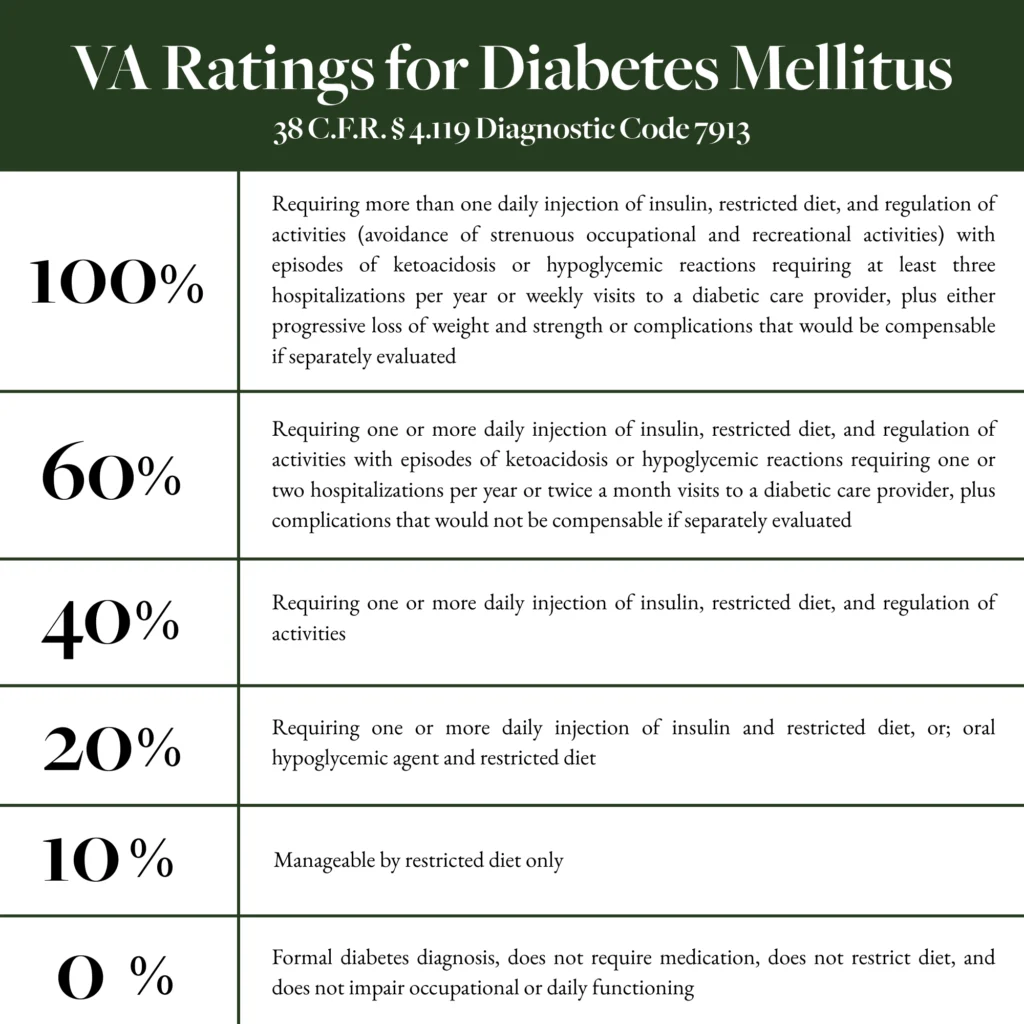
  • VA rates diabetes mellitus under 38 C.F.R. § 4.119 Diagnostic Code 7913 based primarily on medication type, dietary restrictions, and whether a physician has ordered regulation of activities. Ratings commonly fall at 10, 20, 40, 60, or 100 percent.

  • Complications of diabetes including peripheral neuropathy, diabetic nephropathy, retinopathy, erectile dysfunction, and cardiovascular conditions may be rated separately if they are compensable.

  • Veterans with poorly controlled diabetes or multiple residuals may qualify for Total Disability Based on Individual Unemployability (TDIU) or Special Monthly Compensation (SMC).

How Does VA Assign Ratings for Asthma and Respiratory Disorders?

VA evaluates diabetes using a combination of treatment requirements and medical consequences. Unlike many other conditions, lab values alone do not determine the rating. Instead, VA focuses on how diabetes is managed and how it affects daily life.

The most common evidence sources include:

VA examiners review:

  • Whether diabetes requires insulin, oral hypoglycemic agents, or diet alone

  • Whether a physician has prescribed regulation of activities, meaning avoidance of strenuous occupational or recreational activity

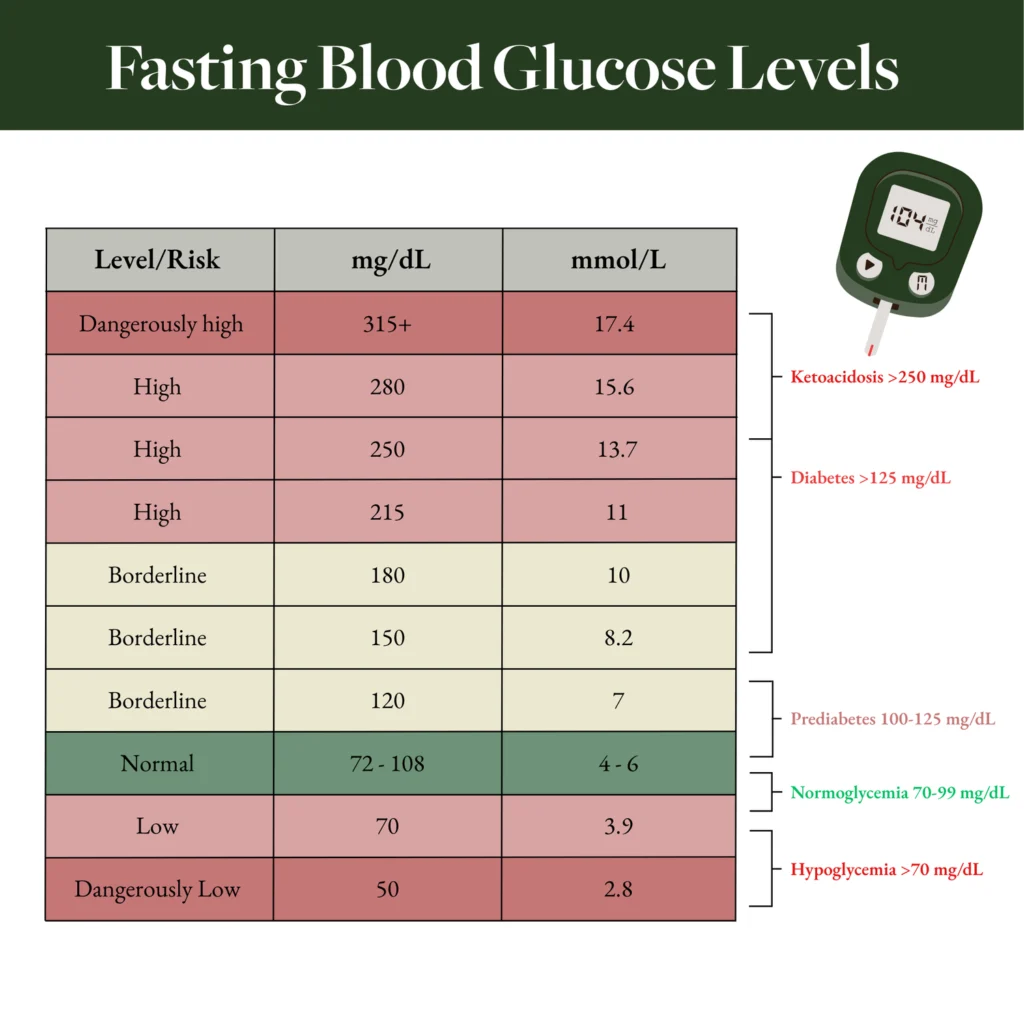
  • Frequency of episodes of ketoacidosis or hypoglycemic reactions

  • Hospitalizations or emergency treatment related to blood sugar instability

  • Presence of diabetic complications affecting other body systems

VA examiners complete a Disability Benefits Questionnaire (DBQ) to document these factors.

Lay statements are often critical in diabetes claims. Veterans and witnesses may describe:

  • Daily insulin injections or glucose monitoring

  • Hypoglycemic episodes causing dizziness, confusion, or fainting

  • Limitations on exercise, work tasks, or physical exertion

  • Fatigue or weakness related to blood sugar fluctuations

  • The impact diabetes has on employment and daily routines

Regulation must be physician-directed, but lay evidence helps show how those restrictions affect real functioning.

Endocrinologists, primary care physicians, nephrologists, neurologists, and ophthalmologists often document complications VA overlooks. Records may include:

  • Long-term insulin dependence

  • Treatment for diabetic neuropathy, kidney disease, or eye disorders

  • Emergency visits for hypoglycemia or ketoacidosis

  • Progressive worsening of diabetic control

  • Medical opinions linking secondary conditions to diabetes

Private nexus opinions can be especially powerful when VA disputes secondary service connection.

How VA Rates Asthma & Related Respiratory Conditions (38 C.F.R. § 4.97)

VA uses diagnostic code 7913

A 100 percent rating is warranted when diabetes requires:

  • More than one daily insulin injection

  • Restricted diet

  • Regulation of activities

  • Frequent episodes of ketoacidosis or hypoglycemia requiring hospitalization

  • Progressive loss of weight or strength

  • Complications that would be compensable if separately evaluated

This level reflects severe and unstable diabetes that significantly interferes with daily life and employment.

A 60 percent rating is assigned when diabetes requires:

  • Insulin

  • Restricted diet

  • Regulation of activities

  • Episodes of ketoacidosis or hypoglycemia requiring one or two hospitalizations per year or frequent medical visits

This rating often applies to veterans with poor glycemic control and emerging complications.

A 40 percent rating is warranted when diabetes requires:

  • Insulin

  • Restricted diet

  • Physician directed regulation of activities

The element “regulation of activities” is frequently misunderstood and is one of the most common points of dispute in appeals. By VA standards, it means that a physician has medically prescribed avoidance of strenuous occupational and recreational activities due to diabetes.

A 20 percent rating applies when diabetes requires:

  • Insulin and restricted diet or

  • Oral hypoglycemic agent and restricted diet

Most veterans with medication managed diabetes fall within this category.

A 10 percent rating is assigned when diabetes is manageable by:

  • Restricted diet alone

Medication is not required at this level.

A Ø percent rating is assigned when diabetes is formally diagnosed but:

  • Does not require medication

  • Does not restrict diet

  • Does not impair occupational or daily functioning

Even with a Ø percent rating, service connection is valuable because:

  • The veteran can file for an increase if symptoms worsen

  • VA healthcare access and priority status may improve

Separately Ratable Conditions from Diabetes

VA must evaluate all compensable complications separately, including:

(1) Peripheral Neuropathy

Rated by affected nerve group in the upper or lower extremities

  • Symptoms may include numbness, burning, tingling, pain, or weakness


(2) Diabetic Nephropathy

Rated under renal dysfunction criteria

  • May involve proteinuria, reduced kidney function, or dialysis


(3) Diabetic Retinopathy

Rated based on visual impairment or incapacitating episodes

  • Eye damage is frequently overlooked or underrated


(4) Erectile Dysfunction

Typically rated as non-compensable

  • If granted, VA compensates it as a level of Special Monthly Compensation (SMC) for loss of use of a creative organ


(5) Cardiovascular and Other Secondary Conditions

Failure to separately rate compensable complications is a common VA error

  • Hypertension, heart disease, stroke residuals, and amputations may also be secondary to diabetes

Asthma and related lung conditions can severely impair a veteran’s ability to work, especially in jobs requiring:

  • Physical labor

  • Exposure to fumes, dust, cold air, or chemicals

  • High levels of exertion

Veterans rated at 60 percent for a single condition (or 70 percent combined) may be eligible for Total Disability Based on Individual Unemployability (TDIU), providing compensation at the 100 percent rate.

Respiratory disorders rarely qualify for SMC directly unless they:

  • Result in housebound status

  • Cause significant secondary complications

However, severe asthma combined with other service-connected disabilities may create eligibility.

Diabetes, TDIU, and SMC

Diabetes and its residuals may prevent substantially gainful employment due to:

  • Chronic fatigue and weakness

  • Hypoglycemic episodes

  • Neuropathy limiting standing, walking, or fine motor skills

  • Kidney or vision impairment

Veterans with a single 60 percent rating or a 70 percent combined rating may qualify for TDIU

Severe diabetic complications may trigger SMC, including

  • Compensation for erectile dysfunction

  • Housebound benefits

  • Higher levels of compensation for loss of use of extremities or organs

How to Appeal or Increase a VA Respiratory Rating

Veterans may want to appeal or request an increase if:

  • VA underrated their diabetes

  • VA denied regulation of activities

  • Complications were not separately rated

  • Symptoms worsened over time

  • VA failed to recognize secondary conditions

Appeals can be filed through:

  • Higher-Level Review

  • Supplemental Claim with new and relevant evidence

  • Board Appeal

Because diabetes claims often hinge on technical criteria and secondary conditions, experienced representation can make a meaningful difference.

Denied or Underrated for VA Diabetes or Diabetic Complications? Call Greene & Marusak LLC

Diabetes claims are medically and legally complex. If VA denied or underrated your diabetes mellitus or its residuals, Greene & Marusak LLC can help identify rating errors, develop evidence, and pursue the benefits you deserve.

Contact us for a free case evaluation today to speak with an experienced VA-accredited claims agent or attorney!
Digestive Conditions

When VA grants service connection for a digestive condition, it assigns a disability rating considering the severity, frequency, and intensity of symptoms like nausea, vomiting, diarrhea, constipation, or weight loss; the impact these symptoms have on your daily life; and whether the condition leads to complications, like ulcers, bleeding, or scar tissue. These ratings determine a veteran’s monthly compensation and eligibility for additional benefits. Because digestive conditions often fluctuate or worsen over time, it is essential that a veteran’s claim or appeal clearly documents the full extent of their symptoms.

Bottom Line Up Front:
  • VA rates digestive conditions under 38 C.F.R. § 4.114, considering the severity, frequency, and intensity of symptoms like nausea, vomiting, diarrhea, constipation, and weight loss. There is an array of ratings depending on the specifically diagnosed condition.

  • A veteran’s C&P exam, treatment notes, and lay statements are all critical forms of evidence when seeking higher ratings for digestive conditions or related disorders.

  • Veterans with severe digestive conditions may qualify for additional benefits, including Total Disability Based on Individual Unemployability (TDIU), or Special Monthly Compensation (SMC).

How Does VA Assign Ratings for Digestive Conditions?

VA evaluates digestive conditions using a combination of objective medical testing and documented symptoms.

The most common evidence sources include:

  • The examiners consider information like medication taken, abdominal pain/abnormalities, changes in stool, whether surgery has been required, and other symptoms/treatments. The examiners also consider whether a physician has prescribed regulation of activities, meaning avoidance of strenuous occupational or recreational activity.

  • VA examiners complete either an Intestinal Conditions Disability Benefits Questionnaire (DBQ) or Esophageal Conditions DBQ to standardize the evaluation, whichever is most applicable.

Lay statements can be extremely useful in digestive condition claims. Veterans and witnesses can describe:

  • The presentation of symptoms (frequency, severity, descriptions)

  • Whether symptoms limit exertion, exercise, or work

  • The impact on ability to function through everyday activities

Digestive symptoms fluctuate, and a specific C&P exam might not fully reflect a veteran’s profile of symptoms. Lay testimony can help bridge any gaps.

Records may include:

  • Evidence of treatment/symptom management

  • Evidence of a diagnosis if VA cannot provide one

Examples of Common Digestive Conditions and Their VA Ratings

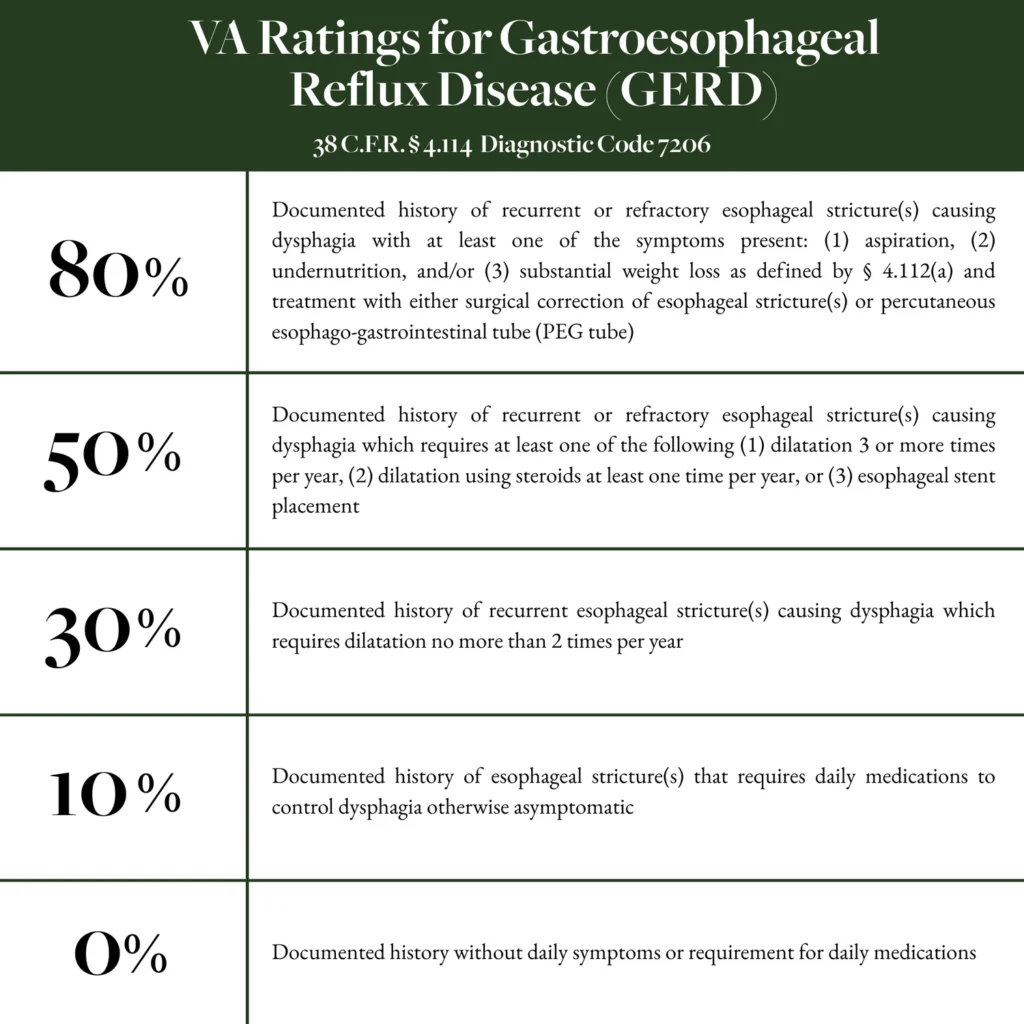
Gastroesophageal Reflux Disease (GERD) – 38 C.F.R. § 4.114 Diagnostic Code 7206

History of recurrent or refractory esophageal stricture(s) causing dysphagia with at least one of the symptoms present:

  • Aspiration;

  • Undernutrition; and/or

  • Substantial weight loss (as defined by the regulations) and treatment with either surgical correction of esophageal stricture(s) or percutaneous esophago-gastrointestinal tube (PEG tube).

History of recurrent or refractory esophageal structures causing dysphagia which requires at least 1 of the following:

  • Dilation 3 or more times per year; or

  • Dilation using steroids at least once per year; or

  • Esophageal stent placement.

Veteran has a documented history of recurrent esophageal structures causing dysphagia which requires dilation no more than 2 times per year.

Veteran has a history of esophageal structure(s) that require daily medications to control dysphagia, but is otherwise asymptomatic.

Veteran has a history of GERD, but no daily symptoms or medications required.

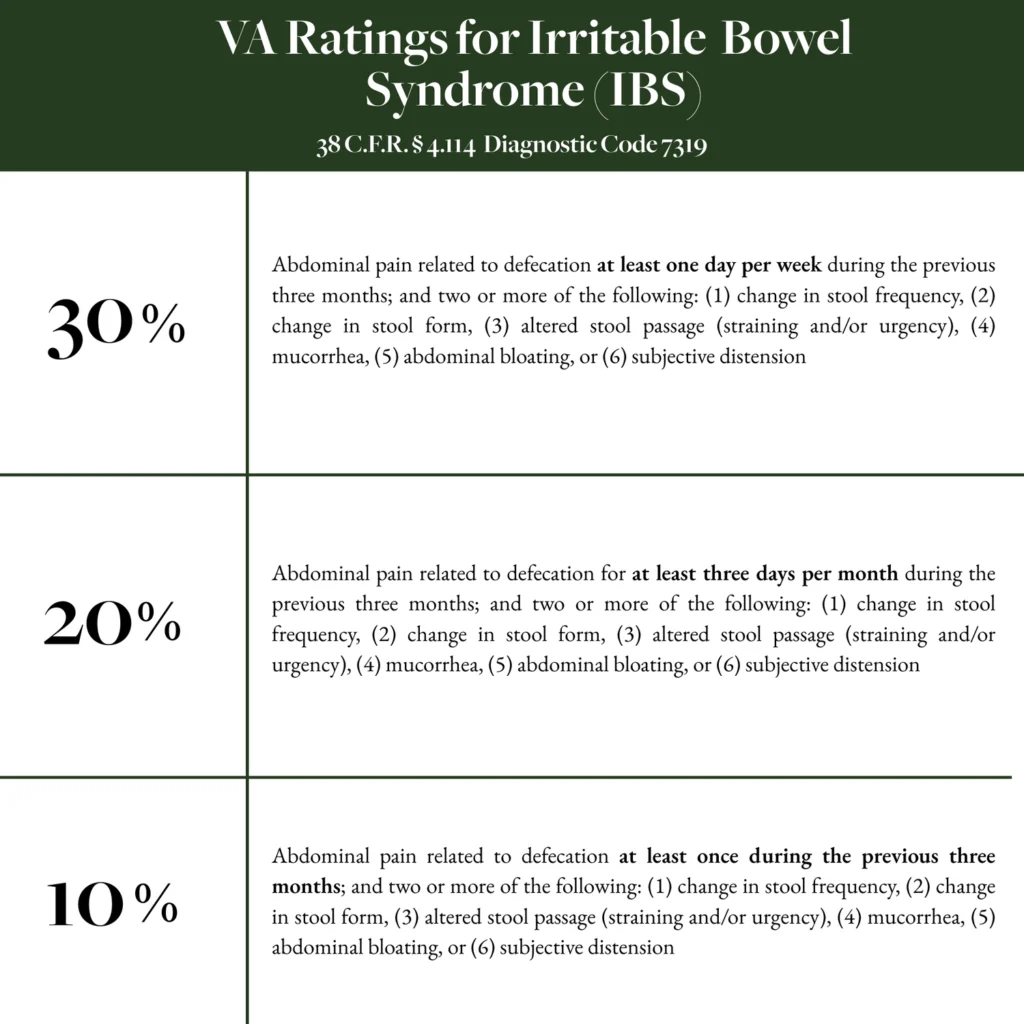
Irritable Bowel Syndrome (IBS) - 38 C.F.R. § 4.114 Diagnostic Code 7319

Abdominal pain related to defecation at least one day per week during the previous three months; and two or more of the following:

  • Change in stool frequency;

  • Change in stool form;

  • Altered stool passage (straining and/or urgency);

  • Mucorrhea;

  • Abdominal bloating; or

  • Subjective distension.

Abdominal pain related to defecation for at least three days per month during the previous three months; and two or more of the following:

  • Change in stool frequency;

  • Change in stool form;

  • Altered stool passage (straining and/or urgency);

  • Mucorrhea;

  • Abdominal bloating; or

  • Subjective distension.

Abdominal pain related to defecation at least once during the past 3 months; and 2 or more of the following symptoms:

  • Change in stool frequency;

  • Change in stool form;

  • Altered stool passage (straining and/or urgency);

  • Mucorrhea;

  • Abdominal bloating; or

  • Subjective distension.

How to Appeal or Increase a VA Digestive Condition Rating

Veterans may want to appeal or request an increase if:

  • VA denied service connection

  • VA underrated their condition

  • Symptoms have worsened over time

Appeals can be filed through:

  • Higher-Level Review

  • Supplemental Claim with new and relevant evidence

  • Board Appeal

Because digestive ratings rely heavily on technical medical data, many veterans benefit from professional representation during appeals.

Denied or Underrated for a Digestive Condition? Call Greene & Marusak LLC

Digestive claims are complex and often require detailed medical evidence, expert opinions, and strategic argument. If VA denied or underrated your digestive condition, Greene & Marusak LLC can help.


Contact us for a free case evaluation today to speak with an experienced VA-accredited claims agent or attorney!
Hearing Loss & Tinnitus

When VA grants service connection for hearing loss, it assigns a disability rating based on auditory test results (Puretone threshold average and speech discrimination percentage) for both ears. When VA grants service connection for tinnitus, it almost always assigns a maximum rating of 10 percent for recurrent tinnitus. These ratings determine a veteran’s monthly compensation and additional benefits. Because hearing loss often worsens over time, it is essential to file a claim for an increased evaluation to be reevaluated when you feel your hearing has worsened, to ensure the correct rating is assigned.

Bottom Line Up Front:
  • VA rates hearing loss as hearing impairment under 38 C.F.R. § 4.85 using the test result values for Puretone threshold average and percent of speech discrimination. Ratings fall at 0, 10, 20, 30, 40, 50, 60, 70, 80, 90, or 100 percent, depending on severity. Whether a veteran is service-connected for hearing loss in one or both ears also affects the rating assigned.

  • VA rates tinnitus under 38 C.F.R. § 4.87, Diagnostic Code 6260 and assigns a maximum 10 percent rating for recurrent tinnitus.

  • A veteran’s C&P exams and Puretone threshold and speech discrimination tests results are critical forms of evidence when seeking a higher rating for hearing loss.

  • Veterans with severe hearing loss may qualify for additional benefits, including Total Disability Based on Individual Unemployability (TDIU) or Special Monthly Compensation (SMC).

How Does VA Assign Ratings for Hearing Loss & Tinnitus?

VA evaluates tinnitus on whether it is recurrent or not, which is based on a veteran’s subjective report. VA evaluates hearing loss using objective medical testing.

The most common evidence sources include:

  • The C&P examiner must be a state-licensed audiologist

  • The examiner must conduct:

    • A controlled speech discrimination test (specifically, the Maryland CNC recording)

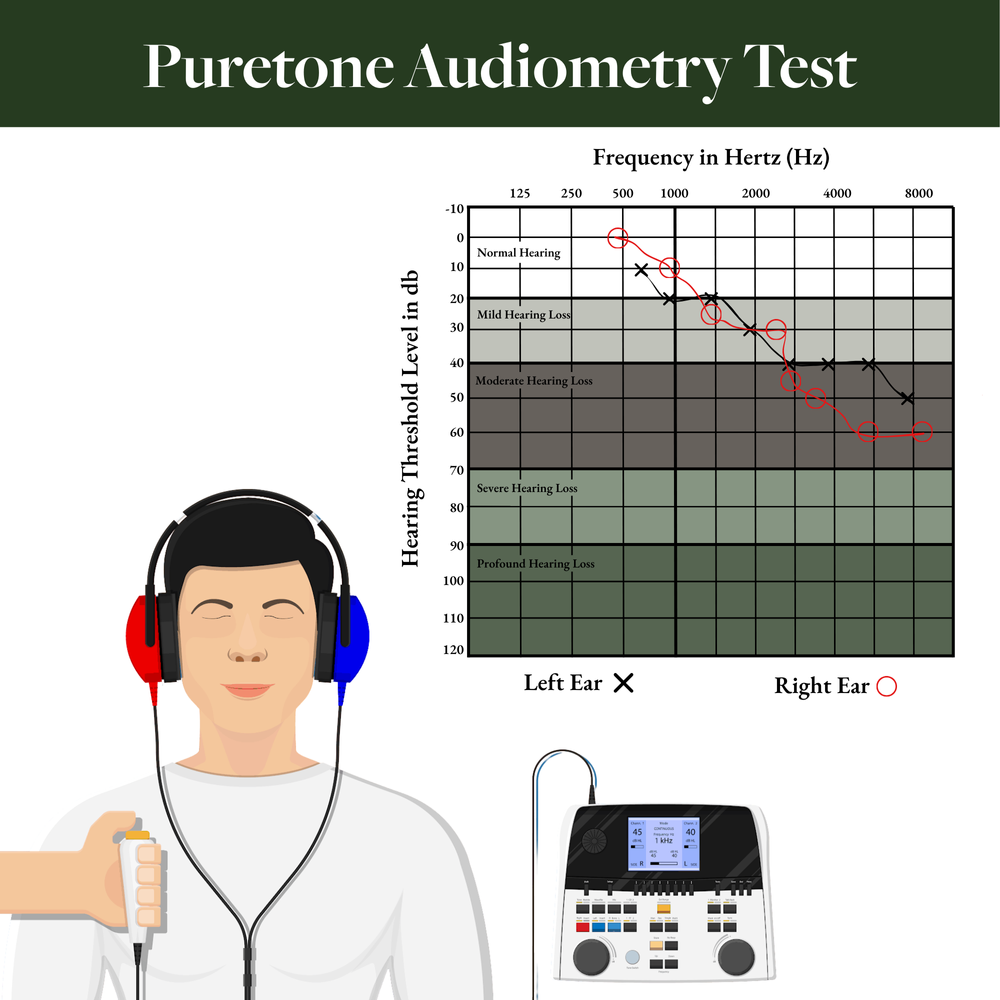
    • Puretone audiometry test in an isolated booth; measurements will be reported at the frequencies of 500, 1000, 2000, 3000, and 4000 Hz

  • Examination to be conducted without the use of hearing aids

  • Both ears must be examined for hearing impairment even if hearing loss in only one ear is at issue

VA examiners complete a Hearing Loss and Tinnitus Disability Benefits Questionnaire (DBQ) to standardize the evaluation.

Lay statements can be useful to describe a Veteran’s experience of how their hearing has worsened and the functional limitations it poses. However, the rating is ultimately determined by auditory test results, usually performed during a C&P exam. A statement may help prompt reevaluation. Veterans and witnesses can describe:

  • The impact on daily life, including ability to work

  • Perceived worsening of hearing impairment

Audiologists may have records of auditory test results that would warrant a higher rating. Providing complete private records, but particularly auditory test results for the measures VA uses in rating hearing loss, can strengthen a claim. Veterans may also obtain private nexus opinions to link hearing loss or tinnitus to service.

How VA Rates Hearing Loss and Tinnitus (38 C.F.R. § 4.85)

VA uses diagnostic code 6260 for tinnitus, which provides a 10 percent rating for recurrent tinnitus. In some circumstances, VA may also assign a 0 percent rating for non-recurrent tinnitus (although VA may also simply deny service connection in such a scenario). 10 percent is the highest rating that may be assigned for tinnitus.

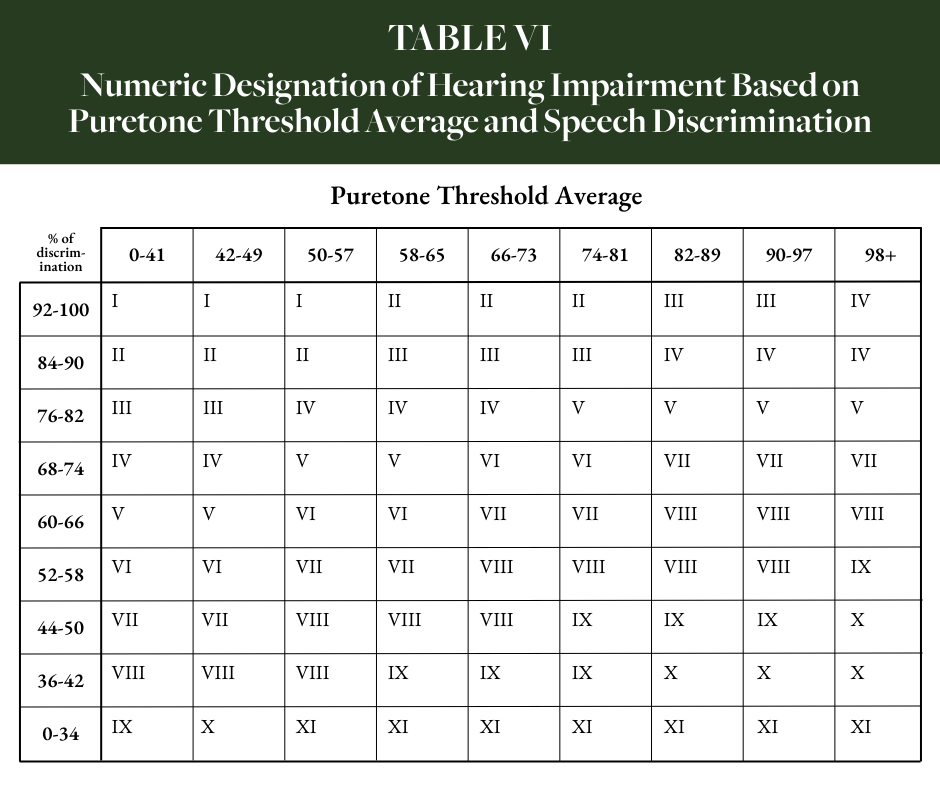
VA rates hearing loss using multiple tables provided in 38 C.F.R. § 4.85 to combine the Puretone threshold average and percent of speech discrimination values for each ear and then to combine those of each ear. First, VA uses Table IV to identify the Roman numeral corresponding to the combination of Puretone threshold average and speech discrimination percentage. If rating solely on Puretone threshold average, then Table IVA is used instead. Once the appropriate Roman numeral for each ear has been identified (if only service-connected in one ear, then the non-service-connected ear is assigned a Roman numeral value of I for rating purposes), Table VII is used to identify the corresponding rating for the combination of both Roman numerals, with the better ear represented in the vertical rows and poorer ear in the horizontal columns.

VA uses Table IV to identify the Roman numeral corresponding to the combination of Puretone threshold average and speech discrimination percentage

If rating solely on Puretone threshold average, then Table IVA is used instead.

Once the appropriate Roman numeral for each ear has been identified, Table VII is used to identify the corresponding rating for the combination of both Roman numerals, with the better ear represented in the vertical rows and poorer ear in the horizontal columns.

 
Additional Factors Affecting Hearing Loss Ratings

Severe hearing loss may impair a veteran’s ability to work, especially in jobs requiring:

  • Communication, especially for safety or accuracy

  • Noise perception, especially for safety

Veterans rated at 60 percent for a single condition (or 70 percent combined) may be eligible for Total Disability Based on Individual Unemployability (TDIU), providing compensation at the 100 percent rate.

If a 100 percent rating is assigned for hearing loss, VA must consider SMC. Deafness of both ears, having absence of air and bone conduction, warrants SMC(k). Severe hearing loss combined with other service-connected disabilities may create further eligibility.

How to Appeal or Increase a VA Hearing Loss Rating

Veterans may want to appeal or request an increase if:

  • VA denied service connection

  • VA underrated their hearing loss

  • Auditory test results worsen over time

Appeals can be filed through:

  • Higher-Level Review

  • Supplemental Claim with new and relevant evidence

  • Board Appeal

Because hearing loss ratings rely heavily on technical medical data, many veterans benefit from professional representation during appeals.

Denied or Underrated for a Digestive Condition? Call Greene & Marusak LLC

Hearing loss claims can be complex and may require detailed medical evidence, expert opinions, and strategic argument. If VA denied or underrated your hearing loss, Greene & Marusak LLC can help.

Contact us for a free case evaluation today to speak with an experienced VA-accredited claims agent or attorney!
Hypertension

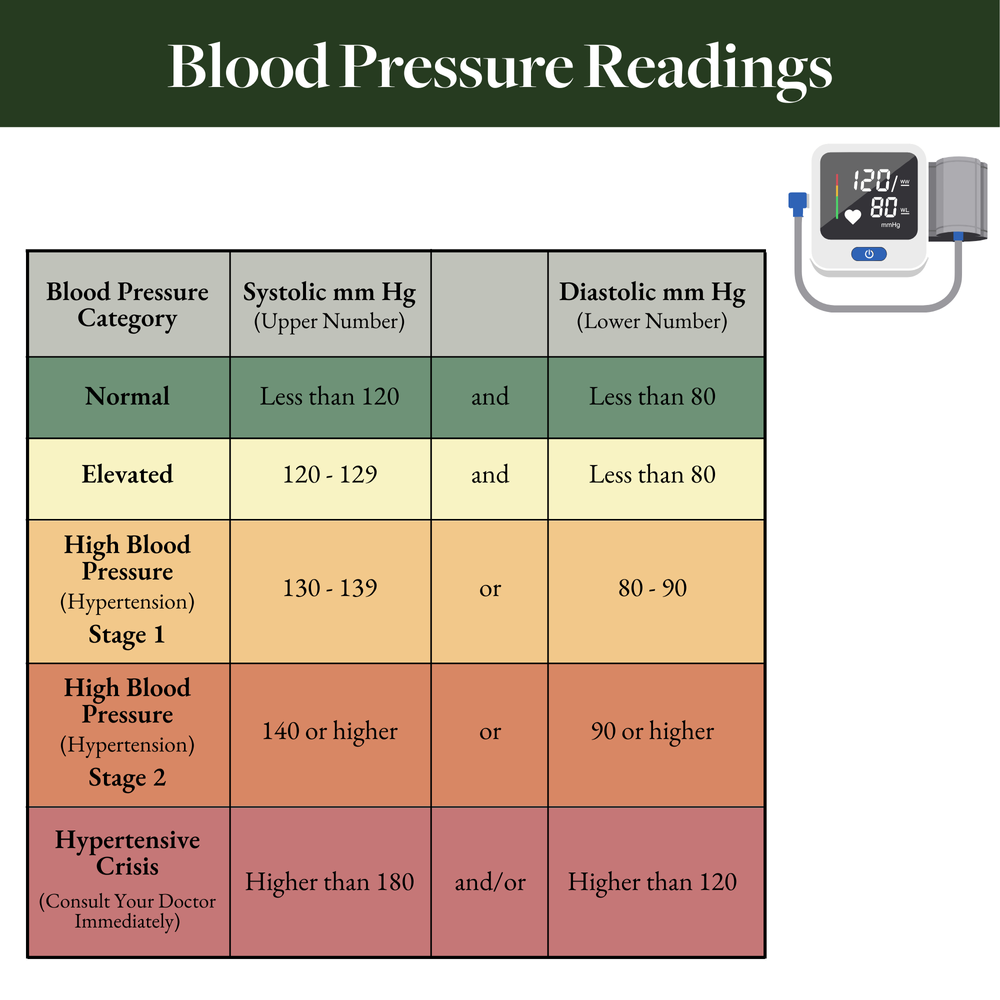
Hypertension (chronically elevated blood pressure) is a common condition among veterans. When VA grants service connection for hypertension or isolated systolic hypertension, it assigns a disability rating based on severity measured through blood pressure readings and medication use. These ratings determine a veteran’s monthly compensation and additional benefits. For many veterans, hypertension develops quietly and may not cause obvious symptoms, but over time, if unmanaged, it can lead to serious health issues such as heart disease, stroke, or kidney problems. Because hypertension symptoms often fluctuate or worsen over time, it is essential that a veteran’s claim or appeal clearly documents the full extent of their symptoms.

Bottom Line Up Front:
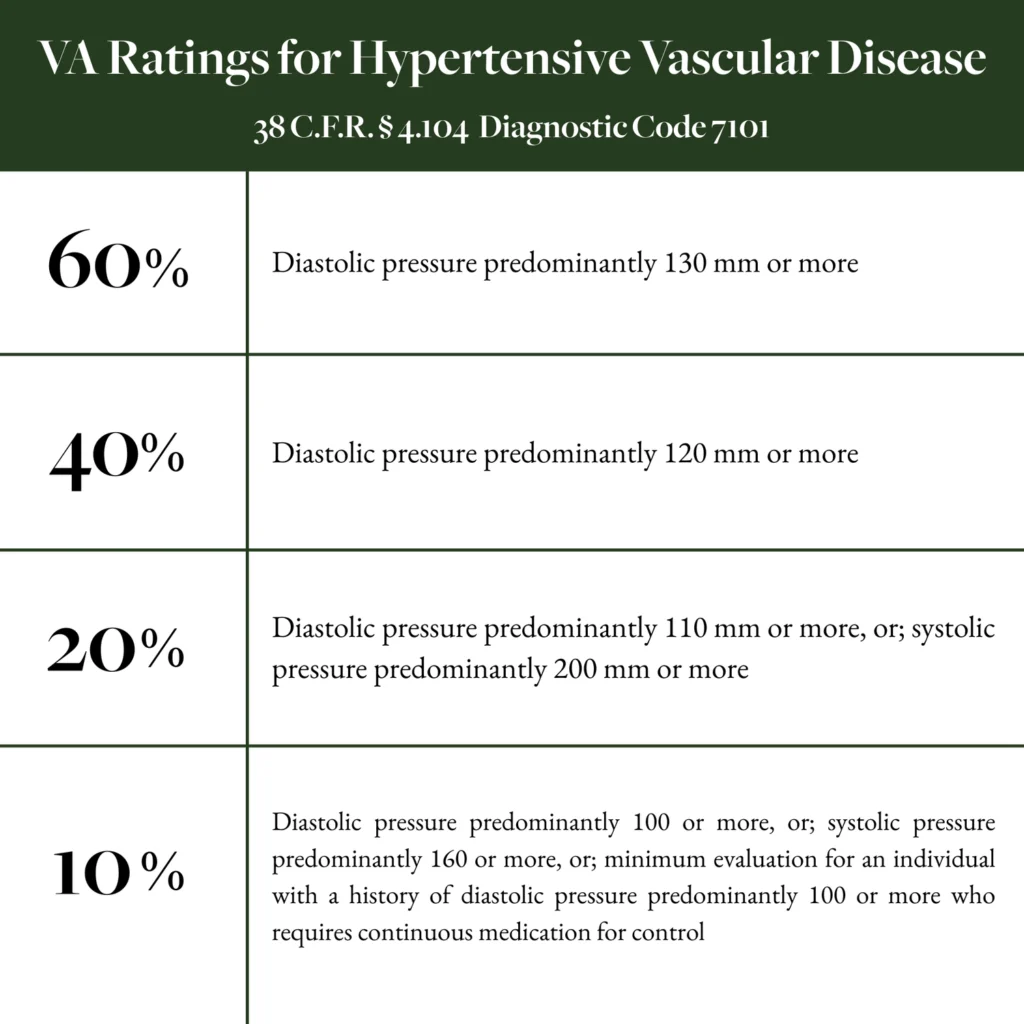
  • VA rates hypertension conditions under 38 C.F.R. § 4.104, Diagnostic Code 7101 (hypertension and isolated systolic hypertension) using blood pressure readings taken two or more times on at least three different days and medication use. Ratings commonly fall at 10, 20, 40, or 60 percent, depending on severity.

  • A veteran’s C&P exam, blood pressure readings, treatment notes, and lay statements are all critical forms of evidence when seeking higher ratings for hypertension.

How Does VA Assign Ratings for Digestive Conditions?

VA evaluates hypertension disabilities using a combination of objective medical testing and documented symptoms.

The most common evidence sources include:

  • Blood pressure logs

  • Use and frequency of medication to control blood pressure

  • Frequency of hypertensive symptoms requiring physician visits

  • Missed work, ER visits, or hospitalizations

VA examiners complete a Hypertension Disability Benefits Questionnaire (DBQ) to standardize the evaluation.

Lay statements can be extremely useful in hypertension claims. Veterans and witnesses can describe:

  • How often hypertension (meaning the diastolic blood pressure is predominantly 90 mm or greater) occurs.

  • Whether the veteran experiences hypertensive symptoms, including but not limited to headaches, shortness of breath, nosebleeds, dizziness, chest pain, and/or vision changes.

A veteran may also want to include a blood pressure log to support their claim or appeal.

Hypertension symptoms fluctuate, and blood pressure readings taken on a “good day” do not necessarily reflect a veteran’s usual functioning. Lay testimony helps bridge that gap.

Primary Care Providers or other specialists (such as cardiologists, nephrologists, and endocrinologists) frequently have longitudinal records that VA examiners do not. These may include:

  • Repeated blood pressure readings (averages, patterns, trajectories)

  • Medication history

  • Lifestyle factors

  • Diagnostic tests such as ECGs, echocardiograms, and ambulatory blood pressure monitoring (ABPM)

  • Lab results

  • Cardiovascular disease (CVD) event tracking

Providing complete private records can make or break a hypertension claim. Veterans may also obtain private nexus opinions to link hypertension to service, if it’s not already service connected.

How VA Rates Hypertension (38 C.F.R. § 4.104)

VA uses diagnostic code 7101 for hypertension.

A 60 percent rating is warranted when the veteran has:

  • Diastolic pressure predominantly 130 mm or more

A 40 percent disability rating is assigned for:

  • Diastolic pressure predominantly 120 mm or more


A 20 percent disability rating is assigned for:

  • Diastolic pressure predominantly 110 mm or more; or

  • Systolic pressure predominantly 200 mm or more

A 10 percent rating is assigned for:

  • Diastolic pressure predominantly 100 mm or more, or; systolic pressure predominantly 160 mm or more, or; minimum evaluation for an individual with a history of diastolic pressure predominantly 100 mm or more, who requires continuous medication for control.

 
How to Appeal or Increase a VA Hypertension Rating

Veterans may want to appeal or request an increase if:

  • VA denied service connection

  • VA underrated their hypertension

  • Blood pressure readings have worsened over time

  • They developed a secondary condition (e.g., peripheral artery disease (PAD), chronic kidney disease, coronary artery disease (CAD))

Appeals can be filed through:

  • Higher-Level Review

  • Supplemental Claim with new and relevant evidence

  • Board Appeal

Because hypertension ratings rely heavily on technical medical data, many veterans benefit from professional representation during appeals.

Denied or Underrated for a Digestive Condition? Call Greene & Marusak LLC

Digestive claims are complex and often require detailed medical evidence, expert opinions, and strategic argument. If VA denied or underrated your digestive condition, Greene & Marusak LLC can help.

Contact us for a free case evaluation today to speak with an experienced VA-accredited claims agent or attorney!